Higher Ed Chats
February 18th, 2025
19 minutes
The Role of Higher Education in Social Mobility
CSUSM ranks in the top 1% of U.S. universities for social mobility, holding the number one position in 2022. Seventy percent of its students are students of color; 55% are first-generation college graduates. These aren't talking points, they're the result of deliberate structural choices: a three-year degree program (backed by a $10 million Price Philanthropies gift) that graduates students at an $80,000 median salary compared to $30-40,000 for a standard four-year path; a software engineering pipeline that runs from high school through community college to university, producing graduates with four job offers on average; and a research stipend model that keeps lower-income students in lab programs they'd otherwise have to leave.
The conversation takes a candid look at higher education's historical role in reinforcing the socioeconomic divide. As Neufeldt puts it: "Higher education, once upon a time, was meant for the few. And actually we've been accused as an industry of helping create the socioeconomic divide because those who get in, then their children get in, and those who have not had a part of it do not have a part of it." That self-awareness shapes how CSUSM approaches everything from degree design to employer partnerships to the 500-person National Social Mobility Symposium the university hosts each year.
Scott and Ellen also work through the structural pressures reshaping higher education trends right now. Declining birth rates since 2008 are already reducing traditional student pipelines. Adult learners, military-affiliated students (one in nine at CSUSM, near Camp Pendleton), and parents returning to school are becoming core constituencies, not edge cases. Post-graduation outcomes have replaced completion rates as the dominant accountability metric. Institutions that haven't started designing for these realities are behind. "What we used to think of as non-traditional in learning is now the new traditional," Neufeldt says. "Higher education really has to push hard to change."
If you work in enrollment, marketing, or institutional strategy, this episode asks a direct question of your current program mix: are your degree structures actually designed to move people forward, or do they just credential them?
Who’s in the episode?
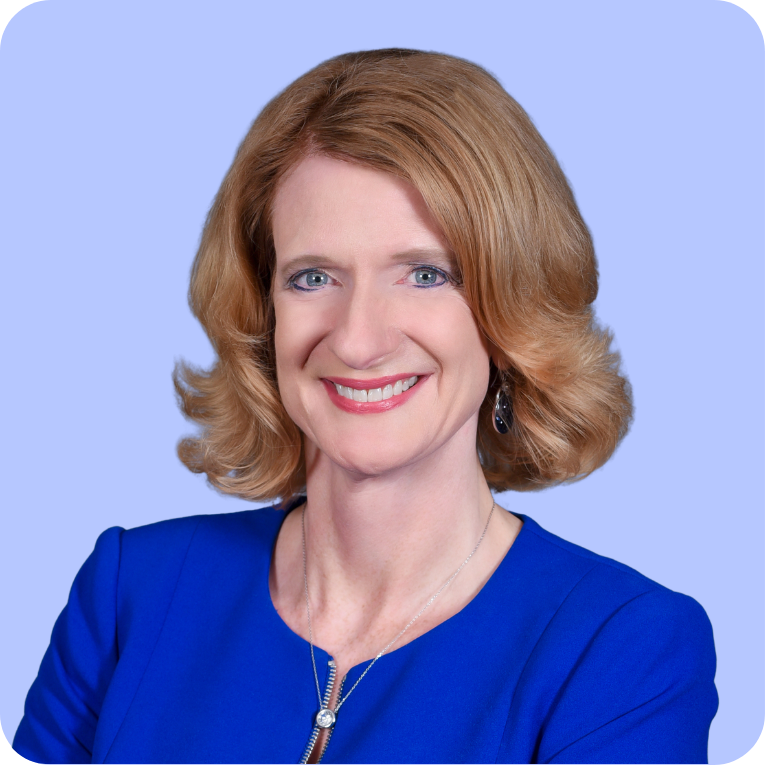
Ellen Neufeldt

Scott Miller is the host of Keystone Higher Ed Chats and the Executive Director of Keystone's international division, bringing over 11 years of EdTech experience to conversations about global education.
After graduating from DePauw University, living and working in different cultures showed him that stepping outside your comfort zone doesn't just broaden your horizons; it reshapes them entirely. That belief in the transformative power of international experiences brought Scott to Keystone in 2010, where he's spent over a decade (and counting) helping higher education institutions reach students worldwide.
On Keystone Higher Ed Chats, Scott speaks with thought-leaders in the industry about what he's most passionate about: how education changes lives, how cultural experiences broaden perspectives at any age, and how Keystone's mission—connecting students with their ideal higher education institution—makes those life-changing moments possible.
Timestamps & Takeaways
Timestamps
00:00
Introduction: Scott Miller welcomes Dr. Ellen Neufeldt
00:45
Ellen's background: Mennonite farming roots and the path to higher ed
03:15
Why social mobility became CSUSM's defining mission
04:09
CSUSM by the numbers: rankings, demographics, and regional identity
06:49
The three-year accelerated degree and the $80K median salary outcome
09:08
Building a software engineering pipeline: 4 jobs per graduate
09:46
The 2025 National Social Mobility Symposium: scope and goals
13:10
Stipends and paid housing as access tools: the Apple research story
17:17
Post-graduation outcomes replacing completion rates as the accountability measure
19:07
AI, modality shifts, and serving adult and military learners
21:30
Demographic pressure: birth rate declines and the structural case for access
23:38
Closing thoughts: redefining who belongs in higher education
Takeaways
Redesign degree timelines to compress time-to-career and boost starting salaries
CSUSM's three-year accelerated degree, backed by a $10M Price Philanthropies gift, sends graduates into the workforce at a median salary of $80K, versus $30-40K for a standard undergraduate degree. As Dr. Neufeldt explained, the goal is removing the financial friction of an extra year in school for students who can't afford to delay earning. Institutions with the donor relationships and curricular flexibility to build similar programs have a concrete way to differentiate on outcomes, not just prestige.
Build pipeline agreements across high school, community college, and university
CSUSM's software engineering track runs continuously from high school through university, producing graduates who enter a market with four open jobs for every one of them. That ratio isn't accidental: it comes from mapping regional employer demand (in CSUSM's case, companies like Viasat) before designing the curriculum. Institutions that build structured pipeline agreements with feeder schools and local employers can reduce dropout risk, improve completion, and deliver students into jobs that exist.
Treat stipends and paid research housing as equity infrastructure, not perks
One of the most concrete points Dr. Neufeldt made: a first-generation student who co-authored an alopecia areata paper with 12 undergraduates would never have made it through a summer research program without a stipend. Lower-income students can't afford to not work. Institutions that fund paid research positions and housing aren't just being generous, they're the reason certain students complete at all. Audit your summer programs to see how many students are effectively locked out by unpaid structures.
Shift your outcomes story from completion rates to post-graduation earnings
Dr. Neufeldt was direct: completion rates are yesterday's accountability metric. The conversation in higher ed has moved to post-graduation outcomes: what students earn, where they work, and whether the degree delivered on its economic promise. Institutions that can tell a credible post-graduation earnings story, backed by real wage data, are better positioned with prospective students, accreditors, and policymakers. If your institution isn't tracking and publishing that data, start now.
Position for adult, military, and non-traditional learners before enrollment cliffs hit
The birth rate decline that started in 2008 is already reshaping the traditional 18-22 applicant pool, and it will get sharper. Dr. Neufeldt put it plainly: "What we used to think of as non-traditional in learning is now the new traditional." CSUSM serves 1 in 9 students with a military affiliation, near Camp Pendleton: that's deliberate, not incidental. Institutions that audit their program formats, scheduling, and support services for adult learners now will be better prepared when the demographic pressure peaks.
Use social mobility data to build a distinct institutional identity
CSUSM ranked #1 in the U.S. for social mobility in 2022 and sits in the top 1% nationally, with 70% students of color and 55% first-generation graduates. Dr. Neufeldt made clear this isn't just a PR point, it's the organizing logic of every program decision. Institutions that can back a social mobility claim with specific, auditable data (demographics, earnings outcomes, employer partnerships) have a differentiation story that rankings-chasing institutions can't easily replicate.
You may also like
How the Trump Administration is Reshaping Higher Education
One year into the Trump administration, U.S. higher education looks different in ways that aren't fully visible yet. This episode of Higher Ed Chats brings in Sarah Brown and Rick Seltzer, both senior journalists at The Chronicle of Higher Education, to take stock of what's actually changed, what's still playing out, and what it means for higher education...
Let’s talk
Keystone’s team of experts can create a digital marketing strategy
that aligns with your student recruitment and enrollment goals.
Schedule a call with our experts.